
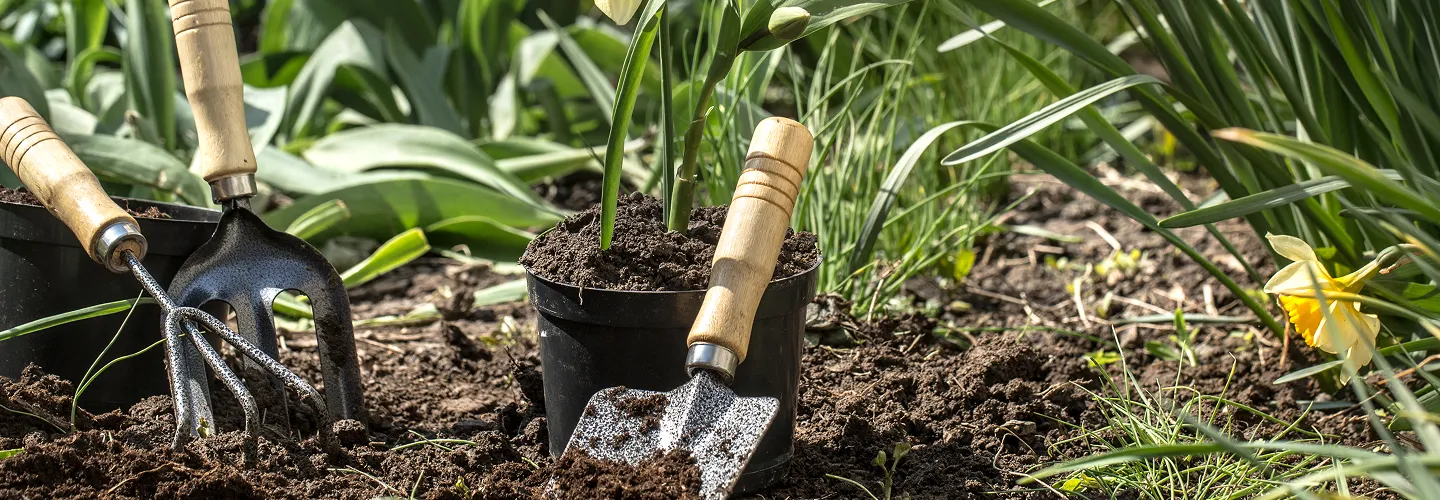
Richwood Flower Planting Services
Choose Richwood for vibrant, expertly arranged flower beds that boost your home's curb appeal and create a welcoming atmosphere all season long.
Get a Free QuoteOur Richwood Landscaping & Yard Care Services
When to Schedule Flower Planting in Richwood, Texas – Seasonal Guide
Flower planting in Richwood, Texas, is best scheduled with careful attention to our unique Gulf Coast climate and local landscape features. The optimal planting windows typically fall in early spring (late February to early April) and again in early fall (late September to October), when temperatures are moderate and rainfall is more predictable. These periods allow new blooms to establish strong roots before the intense summer heat or occasional winter chills set in.
Richwood neighborhoods like Oakwood Shores and the areas near Bastrop Bayou experience microclimates influenced by proximity to water, shade from mature oaks, and varying soil drainage. Local gardeners must consider the last average frost date—usually mid-February—and the risk of late-season cold snaps. High humidity and periodic droughts can also impact flower health, making it essential to select planting times that maximize rainfall and minimize stress on new plants. For more information on local climate patterns and gardening resources, visit the Sudbury municipal site.
Local Factors to Consider for Flower Planting in Richwood
- Tree density and shade coverage, especially in established neighborhoods
- Soil type and drainage, which can vary between river-adjacent and upland areas
- Average precipitation and risk of drought during summer months
- Municipal watering restrictions or guidelines
- Terrain slope and exposure to wind or sun
- Proximity to landmarks like Bastrop Bayou, which can affect microclimates
Benefits of Flower Planting in Richwood
Enhanced Curb Appeal
Increased Property Value
Seasonal Color Variety
Expert Plant Selection
Low-Maintenance Solutions
Eco-Friendly Landscaping
Richwood Flower Planting Types

Perennial Flower Beds
-
Annual Flower Displays
-
Native Wildflower Gardens
-
Seasonal Bulb Plantings
-
Pollinator-Friendly Plantings
-
Shade Garden Flowers
-
Container Flower Arrangements
Our Flower Planting Process
Site Evaluation
Soil Preparation
Plant Selection
Careful Planting
Watering and Mulching
Why Choose Richwood Landscape Services
-
Richwood Homeowners Trust Us
-
Expert Lawn Maintenance
-
Reliable Seasonal Cleanup
-
Competitive Pricing
-
Professional Team
-
Satisfaction Guarantee
-
Personalized Service
Soil Series and Drainage Considerations for Flower Planting in Richwood
Richwood’s predominant soils, as identified by the USDA Web Soil Survey, include the Lake Charles clay and Bernard-Edna complex, both characterized by high clay content and slow drainage. These soils typically exhibit pH values ranging from 7.0 to 8.0, requiring careful amendment for optimal flower growth. For successful planting, incorporate 2-3 inches of compost tilled to a 6-inch depth and consider gypsum to improve structure. Soil testing is recommended through Texas A&M AgriLife Extension (test fee: $15-25). Key site preparation steps include:
- Deep tilling to break up compaction (8-10 inches)
- Amending with organic matter for drainage
- Monitoring for seasonal waterlogging, especially after heavy rainfall
Richwood Public Works Department
1800 Brazosport Blvd N, Richwood, TX 77531
Phone: (979) 265-2082
Official Website: Richwood Public Works Department
Optimal Flower Planting Windows and Climate Zone Guidance for Richwood
Richwood is located in USDA Hardiness Zone 9a, with average annual minimum temperatures of 20-25°F. The ideal planting window for most annual and perennial flowers is February 15 to April 15 for spring installations, and September 15 to October 31 for fall plantings. Soil temperatures should be above 55°F for germination and root establishment. Avoid planting during June-August due to heat stress and high evaporation rates. For weather monitoring and frost advisories, consult the National Weather Service Houston/Galveston Office. Recommended timing practices:
- Spring planting: February 15 – April 15 (soil temp >55°F)
- Fall planting: September 15 – October 31
- Avoid summer planting (heat index >95°F)
- Monitor rainfall to prevent waterlogging
Native and Adaptive Flower Species Selection for Richwood’s Coastal Environment
Selecting species suited to Richwood’s humid subtropical climate and clay soils is essential for sustainable flower beds. Native and adaptive perennials such as Black-eyed Susan (Rudbeckia hirta), Gulf Coast penstemon (Penstemon tenuis), and Texas lantana (Lantana urticoides) thrive in local conditions. For partial shade, consider Turk’s cap (Malvaviscus arboreus) and spider lily (Hymenocallis liriosme). Deer-resistant options include salvia (Salvia greggii) and purple coneflower (Echinacea purpurea). Plant spacing should be 12-18 inches for annuals and 18-24 inches for perennials to ensure air circulation and reduce disease risk. Species recommendations:
- Full sun: Black-eyed Susan, Texas lantana, Gulf Coast penstemon
- Partial shade: Turk’s cap, spider lily
- Deer resistant: Salvia, purple coneflower
- Native options: Winecup, cardinal flower
Municipal Regulations and Permit Requirements for Flower Planting in Richwood
Flower planting projects in Richwood must comply with local ordinances regarding right-of-way, sightline setbacks, and protected area buffers. Planting within 10 feet of public sidewalks or utility easements requires review by the city’s code enforcement. Equipment operation is permitted:
- Monday-Friday: 7:00 AM – 7:00 PM
- Saturday: 8:00 AM – 6:00 PM
- Sunday and holidays: Prohibited Permit review for planting in public spaces typically takes 5-10 business days, with no fee for residential beds but a $25 application fee for community or commercial installations. Maintain a 25-foot buffer from wetlands and drainage ditches. For ordinance details and permit applications:
Richwood Code Enforcement Department
1800 Brazosport Blvd N, Richwood, TX 77531
Phone: (979) 265-2082
Official Website: Richwood Code Enforcement Department
Environmental Compliance: Stormwater, Buffer Zones, and State Regulations
All flower planting in Richwood must adhere to Texas Water Code and Clean Water Act requirements, including the city’s MS4 stormwater permit. It is prohibited to deposit soil, mulch, or plant debris in storm drains or within 25 feet of wetlands. Fertilizer and pesticide applications must not occur within 50 feet of water bodies. For guidance on buffer zones and stormwater compliance, consult:
Texas Commission on Environmental Quality
12100 Park 35 Circle, Austin, TX 78753
Phone: (512) 239-1000
Official Website: Texas Commission on Environmental Quality
EPA Region 6 provides additional oversight for federal stormwater regulations affecting municipal planting projects.
What Neighborhoods Do We Serve Throughout Richwood, TX?
- Oakwood Shores: Features expansive lots with Bernard-Edna complex soils, requiring deep tilling and organic amendments for successful flower establishment. Drainage is moderate, but seasonal waterlogging can occur.
- Pinewood Estates: Characterized by mature tree canopy and partial shade, with compacted clay soils and occasional root competition. Flower selection should prioritize shade-tolerant and deer-resistant species.
- Brazos Crossing: Newer development with improved drainage infrastructure, but fill soils may be present. Soil testing is recommended to determine amendment needs and pH adjustment.
- Creekside: Proximity to Oyster Creek and associated wetlands necessitates strict adherence to 25-foot buffer requirements and careful selection of flood-tolerant species.
- Richwood Village: Smaller lots with established landscaping and limited planting space. Compliance with right-of-way and sightline ordinances is essential for front yard beds.
- Timbercreek: Located near conservation areas, requiring coordination with city code enforcement for any planting near protected zones and adherence to local wildlife protection guidelines.